
Educational overview of faster breath rhythms some people use in morning or pre-activity routines.
Up-regulating practices increase sympathetic nervous system activity — the branch associated with alertness and action. Faster breathing rates, emphasised inhales, and brief retentions raise heart rate slightly and increase blood flow to muscles and brain. Unlike caffeine, which can cause jitters and an afternoon crash, breath-based activation tends to be shorter-lived and more controllable.
The physiological mechanism involves CO₂ flushing, increased ventilation, and activation of the adrenal response in a mild form. Studies on bhastrika and kapalabhati-style breathing in yoga research show temporary increases in sympathetic markers and perceived vigour — though effects are short-term and not equivalent to sleep or nutrition.
Some people explore these patterns in the morning or before light activity. They are generally not used close to bedtime. If you have health concerns or feel unwell, skip stimulating patterns and consult a professional. Always start with the gentlest variation and observe your response.
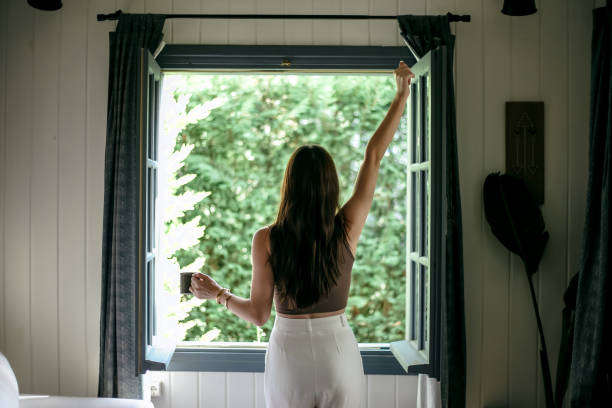
Sit tall. Take three short, sharp nasal inhales without exhaling between them — filling lungs in stages. Release one long, audible exhale through the mouth. Repeat for five to eight cycles (about one minute). Rest with normal breathing for thirty seconds between sets. This pattern is gentle enough for most beginners.
Equal rapid inhales and exhales through the nose — about one breath per second for twenty to thirty seconds. Keep the breath light, not forced. The belly pumps naturally. Stop if you feel lightheaded. Rest for one minute, then optionally repeat once. More stimulating than the triple inhale — use sparingly at first.
Walk briskly for two minutes while maintaining steady nasal breathing. At the end, inhale deeply, hold for three seconds, and exhale forcefully. Repeat the hold-exhale three times. Resume walking. Combining movement with breath amplifies the alerting effect without extreme breathing rates.
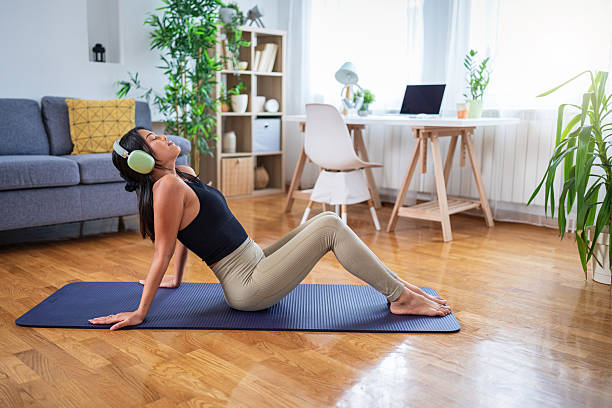
Timing matters for up-regulating work. Common windows include within thirty minutes of waking, before light activity, or during a natural afternoon energy dip. Avoid practising within three hours of bedtime, as stimulating breath can delay sleep onset even if you feel tired afterward.
Frequency: once or twice daily is sufficient. More is not better — overstimulation can leave you feeling wired and depleted. Pair your session with a glass of water and a minute of normal breathing afterward to stabilise.
Up-regulating breathwork is a general lifestyle topic, not a replacement for adequate sleep, nutrition, or professional care. If you experience persistent low energy, consult a registered health professional.
Otepuni Gardens, Invercargill — 20-minute guided session at 7:00 AM. Focus on triple inhale bursts and walking activation. Free community event.
Email subscribers receive a link to a 15-minute live information session on afternoon energy breathing. General lifestyle content only.